
Olive Pomace and Alperujo
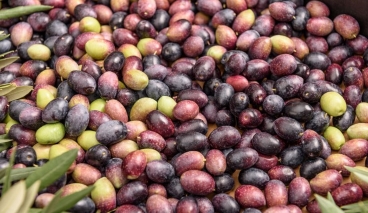
Olive Pomace and Alperujo: Complete Guide on Valorization, Prices and Market Opportunities
Olive pomace and alperujo represent the main by-products of the Spanish olive oil industry, generating approximately 4 million tonnes of material annually that has evolved from being considered a problematic waste to becoming a high-value resource for the circular economy. Spain, as the world's leading olive oil producer with approximately 50% of global production and a forecast of 1.26 million tonnes in the 2024/25 season, faces both the challenge and opportunity of efficiently managing these by-products generated during the campaign months between October and March.
The technological transformation of the olive oil sector, especially the widespread adoption of two-phase extraction systems in over 90% of Spanish olive mills, has significantly modified the characteristics and volume of alperujo generated. This material, rich in organic matter, residual oil and bioactive compounds, offers multiple valorization pathways ranging from energy production through biomass and biogas, to olive pomace oil extraction, composting for agricultural use, and obtaining high-value compounds such as polyphenols and antioxidants. The alperujo market shows marked seasonality, with significant price variations depending on fat content, moisture, geographical location and energy demand, making it a key element for the economic sustainability of olive mills and valorization companies.
Grape Pomace, Wine Lees and Stems
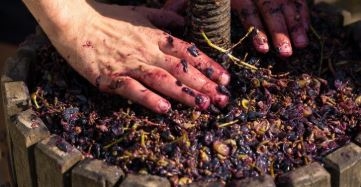
Wine By-Products in Spain: Complete Guide on Grape Pomace, Wine Lees and Stems - Prices, Applications and Valorization
Spain maintains its position as a world reference in the wine sector, with a wine grape growing area exceeding 900,000 hectares, consolidating itself as the country with the largest vineyard area on the planet. This privileged position generates not only recognized quality wine, but also significant quantities of by-products derived from the winemaking process. With an annual wine production ranging between 35 and 40 million hectoliters depending on harvests, the Spanish sector generates approximately between 2 and 3 million tonnes annually of by-products, mainly grape pomace, wine lees and stems, whose proper management and valorization represents both an environmental challenge and an important economic opportunity.
The transformation of these by-products into valuable resources has evolved significantly in recent years, driven by the principles of circular economy and sustainability. From distillation to obtain alcohols and spirits to the extraction of high-value bioactive compounds such as polyphenols, tartaric acid and grape seed oil, the comprehensive use of wine by-products has become a strategic priority for wineries, cooperatives and valorization companies. This article analyzes in depth the characteristics, applications and market of the main wine by-products, providing updated information on prices, applicable regulations and business opportunities in this expanding sector.

Biomket is a global marketplace that connects value chain actors to valorize organic waste and by-products through a circular economy model.